
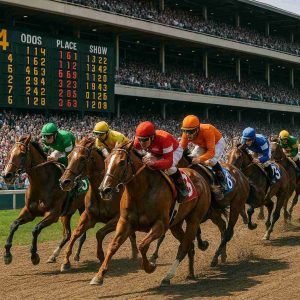
How Horse Betting Works and What Beginners Should Know

Horse Betting

Horse betting has been part of sports culture for hundreds of years. It combines the thrill of competition with strategy, analysis, and entertainment. For many people, horse racing is not only about watching horses compete. It is also about understanding odds, studying performance, and making informed betting choices. While horse betting can seem overwhelming to beginners, learning the basics can make the experience more enjoyable and less intimidating when you visit the site.

At first glance, horse betting may look complicated because of the many betting options, statistics, and racing terms involved. You may hear phrases like trifecta, furlong, morning line, or handicapping and feel lost. The good news is that horse betting does not need to be confusing. Once you understand the core principles, it becomes much easier to follow races, place bets, and appreciate the sport.

Horse betting should also be approached responsibly. Like any form of gambling, it involves financial risk. Smart bettors understand that horse racing is a mix of skill, research, and unpredictability. There are no guaranteed wins. However, by learning how betting works, studying races carefully, and managing your bankroll, you can enjoy horse betting as a form of entertainment while improving your chances of making thoughtful decisions.

How Horse Betting Works

Horse betting is based on predicting race outcomes. The simplest and most common wager is the win bet. In this type of bet, you choose one horse to finish first. If your horse wins, you receive a payout based on the odds assigned to that horse before the race begins.

Odds represent both probability and payout potential. For example, if a horse has odds of 5-to-1, a successful $10 bet could return $50 in winnings plus your original stake. Favorites usually have lower odds because they are considered more likely to win, while underdogs offer higher payouts because they are seen as less likely to succeed.

For beginners, place and show bets may feel more approachable. A place bet pays if your horse finishes first or second. A show bet pays if your horse finishes in the top three. These bets are often less risky than a win bet, but the payout is usually smaller.

As you gain experience, you may explore more advanced betting types. Exacta betting requires predicting which horses will finish first and second in exact order. Trifecta betting extends that challenge to the top three finishers. Superfecta betting goes even further by requiring the top four in precise order. These bets can deliver large payouts, but they are much harder to win.

Parimutuel betting is the system most horse races use. In this format, all bets of a certain type are pooled together. After the racetrack or bookmaker takes a percentage, the remaining pool is divided among winners. This means odds can shift before race time based on betting activity.

Understanding these options is important because it allows beginners to choose bets that match their comfort level. Starting with simple wagers can help you learn without unnecessary risk.

Learning How to Read a Race Card

A race card is one of the most useful tools in horse betting. It provides information about each race and the horses competing. Beginners often ignore this data, but it can offer valuable insights.

The race card typically includes the horse’s name, jockey, trainer, race history, post position, and odds. A horse’s previous performances can show patterns. For example, if a horse has consistently finished near the top in recent races, it may indicate strong form.

Jockey performance also matters. Experienced jockeys often have better race strategy, timing, and control. Some jockey-horse combinations are especially effective because of their familiarity with each other.

Post position can influence results as well. Depending on the track and race distance, certain starting positions may offer advantages. For example, an inside post may reduce distance traveled in some races, while outside positions may offer cleaner running space.

Race conditions should also be considered. Different horses perform better on different surfaces, such as dirt, turf, or synthetic tracks. Weather can also affect performance. Some horses handle muddy conditions better than others.

Studying race cards may seem tedious at first, but it is one of the best ways to make more informed betting decisions.

Important Factors That Influence Race Outcomes

Horse betting is not simply luck. Many variables can impact a race, and understanding them can improve your strategy.

Horse form is one of the biggest factors. A horse that has been racing well recently may have confidence and conditioning advantages. However, it is also important to consider the quality of competition in previous races.

Trainer reputation can also matter. Top trainers often prepare horses more effectively and understand how to match them with suitable races.

Distance is another major factor. Some horses excel in shorter sprint races, while others perform better in longer endurance races. Betting on a horse without considering distance suitability can be a mistake.

Track bias can also influence outcomes. Some racetracks favor front-runners, while others benefit horses that come from behind. Learning track patterns can give bettors an edge.

Betting market movement is another clue. If odds suddenly shorten, it may indicate increased confidence from experienced bettors or insiders. While not always accurate, this information can sometimes reveal useful trends.

Bankroll Management for Beginners

One of the most important lessons in horse betting is bankroll management. Many beginners focus only on picking winners and forget about budgeting. This can quickly lead to overspending.

Before betting, decide how much money you are willing to lose. This amount should be treated as entertainment spending, not essential funds. Never chase losses by increasing bet size emotionally.

A common strategy is flat betting, where you wager the same amount on each race. This approach can reduce impulsive decisions and preserve your bankroll longer.

Avoid placing too many bets in one day. Betting selectively on races you have researched can often be more effective than constant wagering.

Responsible bankroll management helps maintain control and ensures horse betting remains enjoyable rather than stressful.

The Entertainment Side of Horse Betting

Horse racing is more than gambling. It is also a major entertainment industry. Events like the Kentucky Derby, Royal Ascot, and Melbourne Cup attract millions of viewers worldwide.

Many fans enjoy horse racing for its social atmosphere, traditions, and pageantry. Race days often include fashion, food, and community experiences beyond betting itself.

For beginners, attending a live race can be an excellent learning opportunity. Watching horses in person, observing pre-race behavior, and experiencing betting windows firsthand can make the sport feel more accessible.

Online betting platforms have also made horse racing easier to follow. Many legal sportsbooks provide race analysis, expert picks, and live streaming. Choosing regulated platforms is essential for security and fair payouts.

Responsible Gambling and Must-Considered Thoughts

Horse betting can be exciting, but responsible gambling should always come first. It is easy for beginners to get caught up in the thrill of quick wins or big payouts. However, betting emotionally can lead to poor decisions.

Set limits, take breaks, and remember that losses are part of the experience. Successful bettors focus on long-term discipline rather than short-term emotion.

It is also wise to recognize warning signs of unhealthy gambling habits, such as betting beyond your means or feeling pressure to recover losses immediately. Many regulated platforms offer tools for deposit limits and self-control.

For beginners, horse betting should start with education. Learn the betting types, study race cards, understand odds, and practice bankroll management. Over time, your confidence can grow, and your decisions may become more strategic.

Horse betting is not about guaranteed success. It is about combining knowledge, patience, and entertainment. By approaching it thoughtfully, beginners can enjoy the excitement of horse racing while minimizing unnecessary risks.

Football Betting’s Growing Appeal Among Horse Racing Fans in Indonesia

Betting, Gambling

A New Betting Frontier

Horse racing has long been a cultural cornerstone in Indonesia, with betting woven into its vibrant traditions. Yet, a noticeable shift is occurring as horse racing fans increasingly explore football betting. This transition reflects changing preferences, driven by differences in risk strategies, odds analysis, and betting behaviors between the two sports. Why are these bettors branching out? Football’s global appeal, with its constant stream of matches and widespread media coverage, makes it a natural draw. Unlike horse racing, which demands specialized knowledge of horses and tracks, football betting (or judi bola in Indonesian) feels more accessible. Fans can dive into major leagues like the English Premier League or Indonesia’s Liga 1, where games happen frequently, offering endless betting opportunities.

Managing Risks in Two Worlds

horse racing and football bettingBetting on horse racing is often a high-stakes game. Outcomes hinge on unpredictable factors like a horse’s health, the jockey’s skill, or even the weather. Bettors must study form guides and track conditions, accepting that a single race can be a gamble with big wins or big losses. Football betting, however, feels less like a roll of the dice. Why? Because bettors can lean on a wealth of data—team stats, player performance, and head-to-head records—all readily available online. For example, a horse bettor might wager heavily on one race, hoping for a long-shot payout. In contrast, a football bettor might spread smaller bets across multiple games, using strategies like accumulators to balance risk. This data-driven approach appeals to horse racing fans who already enjoy analyzing details but want more predictable outcomes.

Decoding the Odds

Odds in horse racing often come from pari-mutuel systems, where payouts depend on the total bets placed and the number of winners. This setup can make odds shift dramatically, demanding quick thinking from bettors. Football betting, on the other hand, typically uses fixed odds set by bookmakers based on statistical models. For horse racing fans, this is a game-changer. Fixed odds feel more stable, letting bettors apply their analytical skills to spot value bets or undervalued teams. A bettor used to studying a horse’s past races might now analyze a football team’s recent form or a striker’s goal-scoring streak. This shift from fluctuating to fixed odds makes football betting a smoother transition for those already comfortable with number-crunching.

Shifting Betting Habits

Horse racing betting in Indonesia thrives in social settings—think racetracks or local betting shops buzzing with excitement. This communal vibe carries over to football betting, but the latter has a modern twist. Online platforms and mobile apps have exploded in popularity, with over 60% of Indonesian bettors now using digital tools, according to recent data. Football’s frequent matches and live betting options make it a perfect fit for these platforms. Horse bettors, accustomed to poring over race guides, now engage with real-time football stats, like in-play odds or player performance. Yet, some still crave the raw thrill of a racetrack, viewing football betting as a side hustle rather than a replacement.

Navigating Challenges

The move to football betting isn’t without hurdles. Gambling laws in Indonesia are strict, pushing many bettors to offshore platforms. This raises concerns about safety and responsible betting. Older horse racing fans might also resist the shift, loyal to their traditions or unsure about football’s nuances. But younger bettors, raised on global football culture through social media and streaming, are leading the charge. They’re blending the analytical rigor of horse racing with football’s fast-paced betting markets, creating a new kind of betting culture.

READ ALSO: Mastering Horse Betting: Strategies for Consistent Wins

A Cultural Blend

What does this crossover mean for Indonesia’s betting scene? It’s a fusion of old and new. Horse racing remains a cultural touchstone, but football betting’s accessibility and data-rich environment are hard to resist. Bettors are adapting, using their horse racing skills to navigate football’s betting landscape. They’re analyzing odds, managing risks, and embracing digital platforms, all while preserving the social spirit of betting. This hybrid culture shows how traditions can evolve,Fly, adapting to a new era of betting in Indonesia.

Looking Ahead

The growing interest in football betting among horse racing fans signals a broader shift. It’s not about abandoning one sport for another but about expanding horizons. Football offers frequent action and data-driven decisions, while horse racing holds onto its cultural roots. As bettors blend these worlds, they’re creating a dynamic betting culture that honors tradition while embracing modern opportunities. How will this trend shape the future? Only time will tell, but for now, Indonesia’s betting scene is more vibrant than ever.

Rev Up Your Racing Bets with the Winning Formula

Horse Betting

For adrenaline junkies and casual observers alike, the thrill of watching a close race is undeniable. The competition is always intense, whether it’s the roar of Formula 1 engines, the strategic jostling of motorcycle packs, or the lightning-fast sprints of greyhounds. But for some, the excitement goes beyond just watching – it’s about predicting the winner.

While there’s always an element of luck involved, successful racing bets heavily rely on a solid strategy. Surprisingly, there might be more similarities than you think between the strategies used in online slot games, such as those found on situs slot gacor, and the racing world. Let’s explore how understanding key variables in both contexts can help you develop a winning formula for your next racing bet.

Understanding the Playing Field

Just like you wouldn’t blindly spin the reels on a slot machine without knowing the game’s mechanics, placing a successful racing bet requires a good understanding of the “playing field” – in this case, the racetrack itself. Factors like track length, layout, and surface all play a significant role in race outcomes. For instance, a shorter track might favor nimble motorcycles, while longer tracks could be better suited for cars with superior endurance.

Similarly, understanding track conditions is crucial. A wet and slippery track throws new challenges at racers, and recent weather patterns can significantly impact the surface. Researching historical data on races under similar conditions can give you valuable insights.

Knowing the Players: Form and Performance

Just as online slots have varying payout percentages and features, race participants come with their unique strengths and weaknesses. Researching a driver’s or animal’s recent form is essential. Are they on a winning streak? Have they struggled on this particular track in the past? Understanding a participant’s past performance can strongly indicate their potential in the upcoming race.

Looking beyond individual competitors, analyzing the entire field is also important. Is there a clear favorite, or is the race wide open? Understanding the strengths and weaknesses of each participant can help you identify potential underdogs or dark horses who might offer good value for your bet.

Beyond Luck: The Role of Strategy

While slot games are largely based on chance, skilled players often employ specific strategies to maximize their returns. Similarly, successful racing bettors understand the importance of risk management.

Never bet more than you can afford to lose, and consider spreading your bets across multiple races instead of going all-in on a single favorite. Developing a consistent betting strategy and sticking to it can help you avoid impulsive decisions and emotional betting in the heat of the moment.

The Bottom Line: Research, Strategy, and Informed Decisions

There’s no guaranteed formula for winning every race bet. However, by combining elements of strategy often used in online slots – understanding the platform, researching past performance, and employing sound risk management – you can significantly improve your chances of success in the exciting world of racing wagers.

Mastering Horse Betting: Strategies for Consistent Wins

Horse Betting

racing on horses

Horse betting is an exhilarating and potentially profitable activity attracting millions of worldwide enthusiasts. Achieving consistent wins requires a blend of knowledge, strategy, and a bit of luck. This article will delve into effective horse betting strategies, different types of bets, and crucial factors to consider for improving your chances of winning.

Betwinnerlive.com: A Hub for Sports Betting and Table Games

Betwinnerlive.com is a versatile online platform that offers a wide range of sports betting opportunities alongside an engaging selection of table games. As a prominent player in the online betting industry, Betwinnerlive.com provides a user-friendly interface where enthusiasts can place bets on various sports events worldwide, ranging from football and basketball to tennis and horse racing.

The platform also features an enticing array of table games, including classics like blackjack, roulette, and poker, catering to those who enjoy the thrill of strategic sports betting and the challenge of traditional casino games. Betwinnerlive.com stands out for its comprehensive sportsbook and diverse gaming options, appealing to a broad spectrum of betting preferences and gaming interests.

Understanding Different Types of Bets

Knowing the various types of bets is fundamental to horse betting success. Each bet type offers different odds and potential payouts, which can influence your overall strategy.

Win, Place, and Show Bets

  • Win Bet: Betting on a horse to finish first. This type of bet offers the highest payout but also carries the most risk.
  • Place Bet: Betting on a horse to finish either first or second. The payout is lower than a win bet but offers a better chance of winning.
  • Show Bet: Betting on a horse to finish in the top three (first, second, or third). This bet provides the lowest payout but is the safest among the three.

Exotic Bets

For those looking for more excitement and potentially higher payouts, exotic bets are an option. These bets involve predicting the outcomes of multiple horses in a single race or across multiple races.

  • Exacta: Betting on the first two horses to finish in the exact order.
  • Trifecta: Betting on the first three horses to finish in the exact order.
  • Superfecta: Betting on the first four horses to finish in the exact order.
  • Daily Double: Betting on the winners of two consecutive races.
  • Pick 3, 4, 5, or 6: Betting on the winners of three, four, five, or six consecutive races.

Analyzing Horse and Jockey Performance

A crucial aspect of horse betting is analyzing the performance of both the horse and the jockey. This analysis can significantly impact your betting decisions and increase your chances of winning.

Horse Performance

  • Past Performance: Examine the horse’s past races. Look for patterns in finishes, times, and consistency.
  • Class and Speed: Check the class level of previous races and the horse’s speed ratings.
  • Track Conditions: Consider how the horse performs on different track conditions (e.g., fast, sloppy, turf).

Jockey Performance

  • Win Percentage: Review the jockey’s win percentage. A higher win percentage indicates a more skilled jockey.
  • Experience: Consider the jockey’s experience, particularly at the specific track and with the horse in question.
  • Partnership with Trainer: Successful jockey-trainer partnerships can often lead to better performance.

The Importance of Track Conditions

Track conditions play a vital role in horse racing outcomes. Understanding how different horses perform under various conditions can give you an edge in your betting strategy.

Types of Track Conditions

  • Fast: Dry, hard surface. Most horses prefer fast tracks.
  • Good: Slightly less firm than fast. Suitable for a wide range of horses.
  • Muddy/Sloppy: Wet and slippery. Some horses excel on muddy tracks, while others may struggle.
  • Turf: Grass surface. Certain horses are specifically bred and trained for turf racing.

Analyzing how horses have performed on different track conditions in the past can provide insights into their likely performance under similar conditions in future races.

The Role of Historical Data

Historical data is invaluable for horse betting. It provides insights into trends, patterns, and factors that influence race outcomes. Utilizing this data can enhance your betting strategy and increase your chances of making successful bets.

Key Historical Data Points

  • Race Results: Past race results can indicate a horse’s performance trends.
  • Speed Figures: Quantitative measures of a horse’s speed in past races.
  • Class Levels: The quality of competition a horse has faced in previous races.
  • Trainer Statistics: Success rates of trainers in preparing horses for specific race conditions.
  • Jockey Statistics: Historical performance of jockeys in different race scenarios.

By analyzing this data, you can identify which horses are likely to perform well under similar conditions, improving your betting decisions.

READ ALSO: Stirring the Pot: How Horse Racing Bolsters Online Gambling Platforms

Conclusion

Mastering horse betting requires a combination of understanding different types of bets, analyzing horse and jockey performance, considering track conditions, and utilizing historical data. By applying these strategies, you can increase your chances of making informed and successful bets. Remember to bet responsibly and enjoy the thrill of the race.